A Winnipeg winter does not ask for permission. It arrives with a north wind that laughs at weather apps and reminds you that minus 25 is a perfectly ordinary afternoon. That’s part of the charm. It is also why hot tubs here are not a luxury; they’re a strategy. The surprise for many new owners is how manageable the operating cost can be, even when the snow squeaks under your boots. The key is to approach a hot tub the way a Manitoban approaches January: prepared, layered, and pragmatic.
I’ve installed, maintained, and retrofitted spas across the city and surrounding communities for years, from St. Vital backyards to cottage decks along the Whiteshell. I’ve seen the waste and the wins. People often ask if a tub will blow up their hydro bill in winter. It depends, but not in the hand-wavy way that dodges accountability. It depends on insulation quality, cover integrity, wind exposure, water chemistry discipline, and your habits. With smart choices, you can enjoy Winnipeg Hot Tubs through February and still recognize your utility statement.
What really drives winter energy use
Three forces do the heavy lifting on your bill: heat loss through the shell and plumbing, evaporation at the water surface, and frequent heating cycles triggered by wind and cold air stripping heat away. You can’t negotiate with physics, but you can choose a design that works with it.
Fully foamed shells and well-insulated cabinets slow conduction. A high-quality cover curbs evaporation, which is both a heat and water loss. Proper siting shields the spa from wind, which otherwise forces the heater to kick in constantly. A well-tuned filtration schedule avoids running pumps longer than needed. Put those together and you can shave 20 to 40 percent off what a poorly chosen or poorly maintained tub would cost to run in January.
I’ve met owners whose older, single-layer-cabinet models used twice the energy of newer full-foam units. The sticker price seems cheaper up front, but Winnipeg winters expose the difference fast. If you’re browsing hot tubs for sale and the salesperson can’t show you a cross-section of the insulation and cover, keep your wallet in your pocket.
The role of brand claims versus backyard reality
Marketing promises are friendly, but backyards tell the truth. I track owner-reported data after installations because paper specs don’t include wind gusts from the west, lid warping after four seasons, or a teenager who forgets to latch the cover. On well-insulated, 200 to 400 gallon tubs with a sound cover in Winnipeg, winter electric consumption commonly ranges from 200 to 450 kWh per month, depending on set temperature, soaking frequency, and wind exposure. Put into dollars at Manitoba Hydro rates, that’s typically between a latte-a-day and a pizza-a-week, not a second mortgage.
Anecdotes matter here. An owner in River Heights, semi-sheltered backyard, 370 gallons, set at 102 F, five soaks per week: roughly 260 to 300 kWh per month in January. A couple in Transcona with a corner-lot wind tunnel and a cover that lost its seal: swung up to 500 kWh until we replaced the lid and added a privacy fence section. Neither case is extreme, just ordinary life filtered through a Winnipeg winter.
The cover: your cheapest heater
If you remember only one thing, let it be this: the cover is a moving wall of insulation. Foam density and hinge design determine how much heat escapes. Waterlogged covers weigh more, insulate less, and foster mildew. I’ve pulled off lids that felt like wet mattresses; owners wondered why the tub never seemed to rest.
A good winter cover checks three boxes. First, tapered foam with at least 4 to 5 inches in the center and a high R-value core. Second, a heat seal across the hinge so steam does not billow out like a kettle. Third, a tight skirt and working latches to defeat wind lift. If your cover is more than four years old, or if it looks like a taco shell after a long party, inspect it. Replacing a failing cover often pays for itself within one or two winters through lower bills.
Insulation that actually works here
Manufacturers love to debate full-foam versus perimeter insulation. Both can work, but in Winnipeg the details matter. Full-foam units wrap plumbing in foam that reduces convective heat loss and keeps lines warm if the power blips for a short time. Perimeter designs rely on insulated cabinet walls and reflect radiant heat while keeping space for easier service. If you choose perimeter, verify the thickness and continuity of insulation at the base and corners, where drafts sneak in. I’ve opened cabinets and found hockey puck gaps that felt like a vent from Churchill. Once sealed, the heater cycled less.
For older tubs, strategic retrofits help. Insulating the equipment bay with rigid foam board, sealing obvious air pathways with closed-cell foam tape, and adding an insulation mat beneath the base can trim cycling frequency. Just keep clearance around pumps and heaters to avoid overheating components.
Siting and wind, the Winnipeg tax
A tub set on a bare deck that faces west will fight the wind all winter. Even a simple lattice screen or privacy wall breaks gusts and keeps steam from shearing off the water surface. Flanked placement near a fence corner or under an overhang reduces heat loss at the lid edge. Aim for short, safe access from the house so you are not leaving the lid open while you sprint through a snow drift.
I’ve seen strong returns from small changes. One homeowner on a newer development lot added a 5 foot wind screen on the prevailing side and dropped consumption by roughly 13 percent, measured over two months with similar usage. Steam lingering around the tub is not only relaxing, it is a sign that your heat is staying with you.
Smart temperatures and session habits
Manitobans love to crank the dial to 104 F when the forecast gets cocky. It feels righteous, and sometimes it’s what your back needs. But temperature has a compounding effect on energy use. Dropping from 104 to 102 can reduce heat loss by a noticeable margin, often 5 to 10 percent, because the gradient to air temperature shrinks. If you soak most nights, park the setpoint where you actually need it, not where you imagine the perfect soak demands.
Session habits matter too. Keep the cover closed until the last person is ready. After your soak, shut it promptly and latch it so wind cannot burp it open. If you use a cold plunge, do it away from the tub so you are not lingering with the lid up while you narrate your bravery to the backyard.
Filters, chemistry, and the hidden energy cost of neglect
Water that looks fine can still tax your heater and pumps. Biofilm and mineral scale on heaters and within plumbing reduce heat transfer and force longer run times. Dirty filters restrict flow, which keeps pumps working harder and longer, and some tubs respond by heating more often to compensate.
A disciplined rhythm saves energy and avoids headaches. Rinse filters weekly during heavy winter use, deep clean monthly, and replace them every year or two depending on material. Keep total alkalinity and pH in check so the heater stays clean. If you use a salt system or ozone, still test weekly. The edge case is a tub that runs cloudy all winter and gets a full drain in March, revealing a heater coated like a kettle element. Owners are baffled by winter bills when the culprit is a neglected chemical balance quietly stealing efficiency.
Filtration cycles and kWh you can control
Many modern tubs let you set filtration windows and pump speeds. Longer is not always better. If your water stays clear with two moderate daily cycles, avoid the temptation to run it constantly. In deep cold snaps, the logic will still kick the heater as needed to protect the spa. But your baseline runtime remains lower. I advise new owners to start with manufacturer defaults, then trim or adjust based on water clarity and actual use. The goal is the fewest hours that maintain crystal water.
Some tubs also offer an eco or economy heating mode that maintains the set temperature only during filtration. In our climate, full economy mode can lead to chilly first soaks and larger recovery cycles, which claw back the savings. A middle approach works better: standard heating mode with trimmed filtration windows, plus a small temperature drop during weekdays if you soak less.
To drain or not to drain in deep winter
Draining in January is possible, just fussy. The energy angle is about heat recovery and freeze protection. If you must drain mid-winter, pick a mild day and pre-heat the water to the upper range so the shell retains warmth during the swap. Use a sump pump to move water quickly, refill promptly, and purge air from pumps before restarting. The shorter the downtime, the less energy you’ll spend reheating from cold.
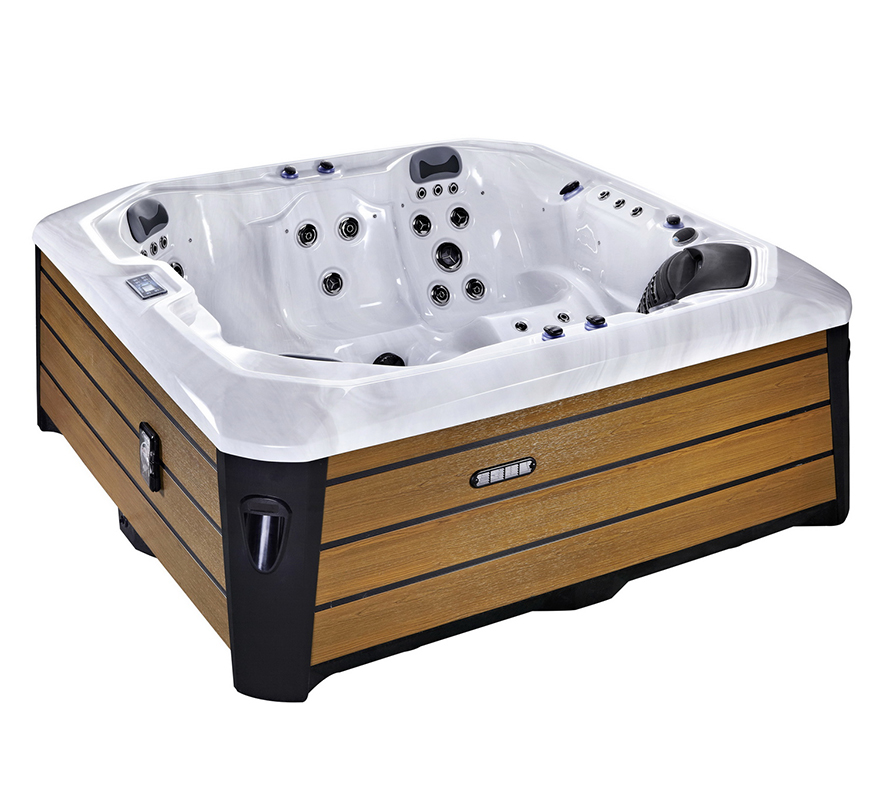
Better yet, plan a full drain and refresh in late fall. Start winter with clean water and a fresh filter so you minimize mid-season maintenance. You’ll spend far less energy fighting cloudiness or heater scaling when the north wind is already taking its share.
The electrical backbone: dedicated circuits and tight connections
Hot tubs ask for a stable power supply. A dedicated GFCI circuit with properly sized wire reduces voltage drop, which improves heater and pump efficiency. Loose lugs or corroded connections cause heat and losses where you don’t want them. I always re-torque connections after the first few weeks of operation, especially in older panels. It’s dull work, but a steady 240 volts is friendlier to your heater than 232 wobbling under load.
For anyone eyeing used Winnipeg Hot More helpful hints Tubs from private listings, insist on seeing the wiring specs and verify the GFCI. Speedy installations can skip best practices, and a tub that trips under load in January becomes an expensive ice sculpture faster than you think.
The myth of winter shutdown
People sometimes assume shutting down for winter saves money. It rarely does in Manitoba. Winterizing a tub takes time, glycol, and careful purging. It also increases risk if spring thaw surprises a poorly drained line. Meanwhile you lose the core value of the tub during the season when it shines. If you own a cottage spa without winter access, fine. For a city backyard, keeping the tub hot with a good cover usually costs less than scripting the perfect hibernation and spring resuscitation. The tub is designed to be hot. Let it be what it is.
Real-world numbers: what owners actually spend
Let’s translate habits into bills. Assume a well-insulated, mid-size tub in Winnipeg, set to 101 to 103 F, sheltered from wind, used four to six times a week. Expect winter electricity usage in the 230 to 350 kWh range per month. Crank the setpoint, soak longer with the lid wide open, and place it in a breezy corner, and you can see 400 to 550 kWh. Add a waterlogged cover and stretched filtration schedule and you’ve found your way to 600.
Switch out the failing cover, trim filtration windows, and add a wind screen, and it is common to drop back under 350. I’ve had clients text me photos of their bills after replacing a six-year-old lid and shaving a third off their kWh. The tub didn’t change, the behavior did.
Cold snaps and emergency sense
The odd minus 35 night still shows up. On those evenings, resist big setpoint changes. A sudden bump from 100 to 104 invites long heater cycles while the air scours heat away. Keep the temperature steady, seal the cover, and consider a temporary insulated blanket under the lid to help overnight. If your tub has an “away” or “freeze protect” mode, understand what it does before the snap arrives. Some systems cycle pumps periodically to circulate warm water, which is good, but they may also adjust filtration windows in ways you should anticipate.
If the power goes out, do not lift the cover. The air inside the spa is a warm buffer. With full-foam tubs in Winnipeg, short outages of a few hours rarely cause harm. Longer outages are another story. A small generator can keep the circulation pump or a space heater in the equipment bay alive long enough to ride out trouble. Not glamorous, but neither is a cracked manifold in March.
Buying with winter in mind
If you are at the stage of googling a hot tubs store near me, or scanning hot tubs for sale on a Sunday, bring a winter checklist. Ask about cover build, hinge seals, and available winter covers or capes. Request insulation details, not just marketing names. Check service access, because a tightly packed full-foam tub might be efficient but can cost more in labor if a leak occurs. Discuss control logic for filtration, economy modes, and remote monitoring. Ask for kWh estimates at 0, minus 10, and minus 25. A good Winnipeg retailer will have real numbers or at least informed ranges.
Look beyond showroom dazzle. Footwell depth, jet layout, and seat ergonomics matter for comfort, but for January sanity you want a tub that sips energy and stays steady. A friendly sales floor is nice. A service department that returns calls in February is necessary.
Small accessories that pull their weight
I am not a gadget person, but a few low-cost add-ons pay back.
- A floating thermal blanket under the main cover reduces evaporation and heat loss at the surface, especially helpful on windy nights. A cover lifter with a locking assist encourages proper closure and latching, which saves heat every single use.
That’s one of your two lists. The theme is simple: anything that keeps the cover tight or the surface insulated cuts your costs.
Winter routines that make the math work
Daily and weekly habits are the unglamorous heroes. After each soak, use a towel to sweep moisture off the cover before latching. It prevents ice build-up along the hinge, which otherwise can prop the lid slightly open. Check the skirt and latch tension monthly. If snow piles against the cabinet, clear it away so vents and access panels don’t trap moisture. Every few weeks, peek inside the equipment bay on a mild day to ensure nothing looks frosted or damp.
For chemical routine, dose after evening soaks when the cover will stay closed and the sanitizer can work without sunlight. Keep the water line clean, because scum insulates the bad way and signals chemistry drift. Replace the filter ring seals if they flatten. Small frictions become big wastes when the wind bites.
Retrofit tricks for older tubs
Many Winnipeg homes inherit a spa. You don’t need to replace it to get winter-smart. I’ve had success with rigid foam skirting on the equipment door, adhesive foil-backed insulation on the inside of cabinet panels, and gaskets at known draft points. A new high-R cover and a thermal blanket often deliver the biggest gains. Program the controller to concentrate filtration in warmer afternoon hours, then let the tub rest more overnight. Every tweak steals back a handful of kWh.
For circulation pumps, consider upgrading to a high-efficiency model if yours is humming along from the late 2000s. Better hydraulics mean less runtime for the same clarity. And if your heater element shows scaling or pitting, replacing it before deep winter can save both energy and a mid-January repair call.
When to call for service
You can handle routine care, but call a pro if you notice repeated GFCI trips, inconsistent temperature control, or a cover that refuses to sit flat even with adjusted hardware. Those issues spiral. A failing temperature sensor might force frequent reheat cycles. A pump that cavitates in cold weather can cause freeze risk in a matter of hours. In Winnipeg, good service techs are busiest during cold snaps, so build a relationship with a local retailer before the first flurries. If you are searching Winnipeg Hot Tubs and narrowing options, give weight to the shop that actually picks up its phone in February.
The joy that makes the planning worthwhile
After all this practicality, let’s not forget why people keep hot tubs in Winnipeg in the first place. There is a moment when you slip under the water, steam rises, and the world goes soft. Snow lands on your eyebrows. The wind can mutter all it likes. You stay. The tub hums just enough to remind you it’s working. If you’ve set it up right, your utility bill does not shatter the spell later.
Energy savings in Manitoba winters are not a trick. They are the result of design, maintenance, and habits that favor heat staying where it belongs. Choose a solid tub, protect it from wind, invest in a real cover, keep the water clean, and let the controls work on your behalf. Then enjoy the season the way locals do: with a bit of swagger, a lot of layers, and a hot soak that makes January feel like a friend.
A Winnipeg-friendly buying path
If you are early in the journey and comparing hot tubs for sale, map your steps. Start by deciding where the tub will sit and how you will shield it. Visit a few showrooms rather than trusting photos. Sit in the dry shells to check comfort and depth. Ask to see a cutaway of the insulation and lift an actual cover the brand uses, not a display surrogate. Bring a quick sketch of your yard and electrical panel details; a good consultant will spot red flags and opportunities.
For those typing hot tubs store near me and sorting through maps, prioritize proximity for service, but do not trade away build quality. Winnipeg’s climate magnifies corners cut in manufacturing. If the price looks suspiciously low, the insulation and cover often tell the story. Pay once for the right structure and save every month for years. It is a classic Manitoba equation.
Final notes from winter trenches
I’ve soaked at minus 30 with Aurora flowing quietly overhead, and I’ve chipped ice off a hinge at 6 a.m. because someone forgot the latch the night before. Both memories stick. The difference between a hot tub that feels like joy and one that feels like a penalty is rarely dramatic. It’s the sum of sensible choices made before the first frost, and the small habits you keep when the wind hardens.
Winnipeg will always extract a winter tax. You get to choose the amount. With the right tub, a trustworthy cover, a thoughtful setup, and steady care, that tax turns into pocket change. And every night you step outside and sink into heat while the cold tries its best, you’ll be quietly thrilled that the math works as well as the soak.