Winnipeg’s training calendar runs on ice, wind, and grit. From triathletes hammering the Bishop Grandin Greenway in April slush to hockey players grinding through late-night league games, recovery is the quiet half of performance. And in this city, few tools pull their weight like a well-chosen hot tub. It’s warmth on a February evening when the wind clips at minus 25. It’s a controlled environment for hydrotherapy after speed work. It’s also a social anchor, a place to debrief after a race or coax a reluctant hamstring while watching the Jets.
If you’re scanning for hot tubs for sale with a performance lens, you have different priorities than someone outfitting a cottage patio for summer cocktails. You want targeted jet arrays that hit calves, glutes, and thoracic spine. You care about circulation, water maintenance, and how a lid behaves in a snow squall. You need reliable heat recovery after a winter soak, and you want a dealer who can get a replacement pump in January, not mid-June. This guide distills what matters for athletes in Winnipeg, with specific model traits to hunt for and trade-offs to consider before you type “hot tubs store near me” and hope for the best.
Why hydrotherapy pays off for athletes
Hydrotherapy has been around since the Romans, though they weren’t tracking heart rate variability. For modern athletes, the benefits are practical and repeatable. First, heat increases tissue extensibility. Soak for 10 to 20 minutes between 37 and 40 degrees Celsius, then stretch hamstrings, hip flexors, and thoracic spine. You will feel the difference, especially on cold days when soft tissue simply refuses. Second, buoyancy reduces effective body weight, which lets you mobilize hips or ankles without loading sore joints. Third, powerful directed jets increase local blood flow. That’s not magic; it’s mechanical pressure paired with warmth, which helps shuttle metabolic byproducts and eases the perception of soreness.
There is a caveat. Hot tubs are not universal pain erasers, and heat right after acute injury can worsen swelling. If you banged your ankle at hockey last night and it looks like a grapefruit, keep it cool for the first 24 to 48 hours, then add gentle heat as swelling subsides. Periodization matters here too. Use heat on recovery or easy days. Avoid a long, hot soak directly before intensity workouts, since vasodilation and relaxed tone can blunt sharpness for a few hours. Think of the tub as part of your microcycle, not a nightly default.
Winnipeg-specific realities that change your shortlist
A hot tub in Phoenix lives an easy life. A hot tub in Winnipeg battles wind, blowing snow, and April freeze-thaw cycles that chew on seals. When you browse Winnipeg Hot Tubs options, prioritize insulation, cover quality, and serviceability. Foam density in the cabinet walls matters when the mercury dives, but the cover is the unsung hero. A heavy, well-insulated cover with durable stitching and locking clips can save hundreds of dollars in winter energy costs. Look for covers with at least 4 to 5 inches of taper and high R-values, and ask how they hold up after two winters, not just the first.
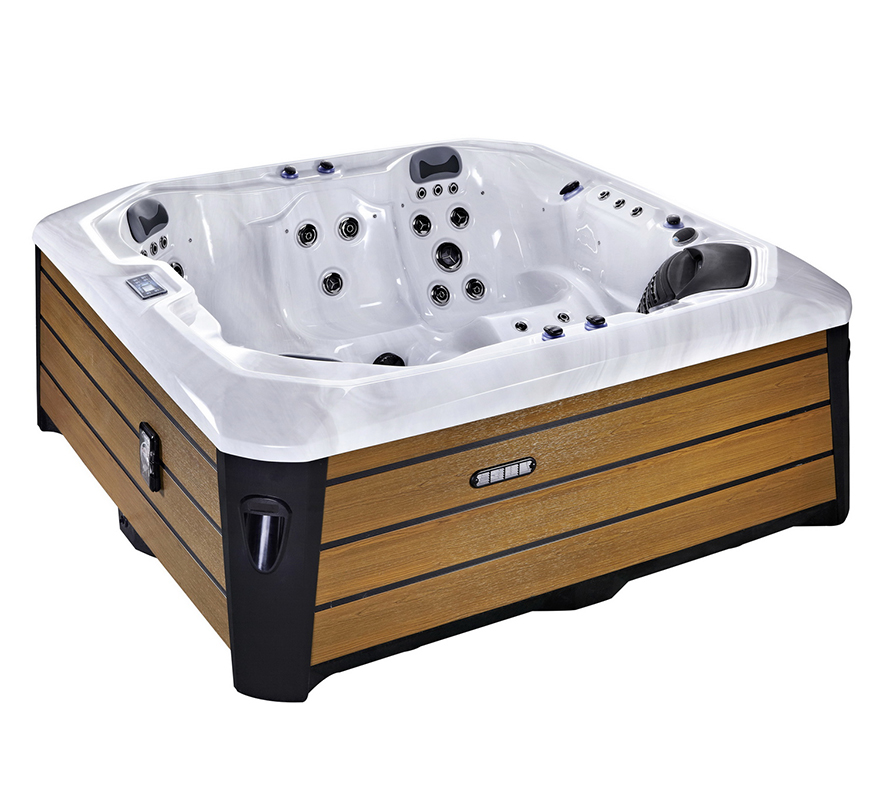
Heaters and circulation pumps also earn their keep here. A dedicated, low-wattage circulation pump keeps water moving 24/7, which helps with heat retention and water clarity. Pair that with a heater rated to recover temperature quickly after a long soak on a cold night. Ideally, you want recovery of 1 to 2 degrees Celsius per hour in subzero weather, depending on tub volume. If a salesperson shrugs when you ask about winter recovery rates, you’re in the wrong shop.
Electrical service is another Winnipeg reality. Most performance-grade tubs are 240-volt hardwired units. Yes, there are 110-volt “plug-and-play” tubs. They can be fine for seasonal patios or small households, but in deep winter they struggle to maintain temperature with the cover open, especially if you run multiple jets. For athletes who plan to use the tub daily, 240-volt service is worth the upfront electrical work, both for heat stability and pump power.
Finally, road salt and tracked slush are rough on steps, handrails, and deck surfaces. Choose frost-friendly traction that you can brush clean, and keep a dedicated tub mat for wet feet. These details sound small until you take a misstep in January.
Jets that matter for performance, not pageantry
Jet count often shows up in marketing like a badge of honor. Ninety jets do not beat forty if half of them just tickle your scapula while you wish for one that could dig into your glute med. Prioritize jet quality, positioning, and adjustability. For runners, cyclists, and field sport athletes, several zones earn top billing.
The footwell often doubles as a forgotten power station. Large foot dome jets that deliver deep pressure into the plantar fascia and Achilles do wonders after hill repeats or heavy deadlifts. Adjustable flow lets you ramp from gentle to whitewater as tolerance allows. Calf-specific jets mounted low on a lounge or corner seat help release posterior chain tightness, especially paired with a seat that holds you in place so you’re not constantly sliding.
For hips and glutes, look for large, rotating jets that can thump deeper layers without feeling like a power washer. You want the jet face to be offset enough to trace along the iliac crest and piriformis, not just blast your sacrum. Upper back athletes, especially swimmers and hockey players, benefit from carefully angled mid-back jets that hit the rhomboids and lower traps while avoiding the spine. Good tubs allow you to re-route flow with diverter valves so you can send most of the pump’s energy to one seat when you need true pressure.
A quick anecdote from a winter marathon build: after a 28-kilometer long run on packed snow, I rotated to a corner seat with a large rotary jet aimed at the proximal calf and a second aimed at the outside hip. Fifteen minutes later, I stood up with legs that felt a grade lighter, not because the tub whispered recovery slogans, but because directed pressure plus heat pried open stubborn tissue. If you can test soak models, bring a mental map of your hot spots and see if the jets reach them without contortion.
Size, seating, and the athlete household
Capacity numbers can be optimistic. A “six-person” tub fits six if four are teenagers. For athletic recovery, what matters is seat variety, safe entry, and enough water volume to avoid dramatic temperature drops when two or three people hop in after a workout. Larger volumes hold heat better but cost a bit more to run. In Winnipeg, a 5 to 7 seat configuration with at least one full-body lounge and two deep corner therapy seats usually hits the sweet spot.
Mind the seats’ depth and contours. Tall athletes sink differently than shorter ones. If you’re over six feet, check whether your shoulders submerge without your knees crowding your chin. If you’re smaller, make sure you don’t float out of a lounge every time a pump kicks on. Grippy headrests and textured seats help, as do repositionable pillows for neck support during longer sessions.
Entry and exit deserve more attention than they get. After heavy leg days, balance can be wobbly. Internal cool-down step-ins and an exterior handrail reduce slips. For winter, choose steps with open risers so snow doesn’t pack and turn into a toboggan. If your training crew plans to rotate through post-practice, consider a model with an open footwell and an unobstructed path between seats to keep the dance of entry and exit simple.
Filtration, sanitation, and skin that still likes you
Training often means daily soaking in January and February. Water chemistry becomes a habit. For time-strapped athletes, a low-maintenance system is worth its weight. Start with a robust, easily accessible filter area. Prefer top-loading filters you can pop out without tools. A dedicated circulation pump combined with an ozone or UV-C system reduces your manual sanitizer load. Mineral cartridges can help smooth the water feel but do not replace sanitizer.
Chlorine and bromine both work. Bromine holds up better in hot water and tends to be gentler on skin, though it costs a bit more and can smell stronger if mismanaged. Chlorine is cheaper and effective but needs closer attention at higher temperatures. Enzyme products can reduce scum lines, which athletes notice when sunscreen and sweat meet hot water. In winter, test strips feel crude with cold fingers. A simple drop test kit with clear color changes is more reliable, and a smart monitor that pings your phone can keep you ahead of issues without standing outside with a flashlight.
My rule of thumb during high-use weeks: check sanitizer and pH every two to three days, clean filters biweekly, and drain and refill every 8 to 12 weeks depending on bather load. Hard Winnipeg water benefits from a pre-filter on your hose to reduce scale. Your heater will thank you.
Energy use that won’t wreck your power bill
A well-insulated tub with a quality cover and smart controls should cost roughly the price of a couple of takeaway coffees per day across the winter months. Your mileage varies with size, soak frequency, and ambient temperature. Look for full-foam insulation that fills voids, not sparse spot foam that leaves cold pathways. Some brands use perimeter insulation with radiant barriers. That can work if executed well, but ask to see a cutaway or third-party testing rather than relying on brochures.
Programmable filtration and heat cycles help. If you work a regular schedule, set the tub to prioritize heating late afternoon and early evening when you plan to soak, then coast overnight. Avoid frequent temperature swings. Holding a stable 38 or 39 degrees costs less than reheating from 34 nightly. For marathoners who like contrast therapy, you can drop the set point to 35 for morning mobility work, then bring it up again by evening, but that kind of micromanagement only saves money if your insulation and cover are exceptional.
In Winnipeg, wind is a stealthy energy thief. Wind strips heat from an open tub faster than cold alone. A simple privacy screen or even a sturdy fence panel positioned upwind cuts consumption and makes winter soaks far more pleasant.
Cold plunge pairing without building an ice hotel
Athletes love to debate hot versus cold. The short version: heat is great for mobility and relaxation, cold can reduce perceived soreness and inflammation, and alternating hot and cold can feel incredible. If you plan a paired setup, make room on the deck for a simple insulated cold plunge tank or a converted stock tank with a chiller. Keep the two units at least a step apart to prevent splashing sanitizer into the cold water. If space is tight, some tubs include a cool-down seat well above the waterline. It’s not a plunge, but it lets you run a short hot, short cool sequence by sitting partially out of the water and exposing your skin to winter air. Winnipeg conveniently provides the “cold” half for free between November and March.
A buyer’s snapshot for athletes
Here’s a quick field guide for narrowing your choices once you walk into a showroom or browse Winnipeg Hot Tubs listings.
- Insulation and cover: Full-foam or well-executed perimeter insulation, high R-value tapered cover with locking clips, and tight cover seals that don’t gap in the corners. Therapy hardware: Fewer but stronger jets, dedicated footwell pressure, adjustable diverters, and at least one seat that truly hits mid-back and glutes with force. Winter performance: 240-volt heater with proven recovery in subzero temps, dedicated circulation pump, and a service plan that includes winter callouts. Ease of upkeep: Top-loading filters, ozone or UV-C assist, simple control panel, and easy access to pumps without tearing apart spray foam every time. Safety and layout: Non-slip steps, solid handrail, deep corner seat for tall athletes, and at least one lounge that holds smaller athletes in place.
Model archetypes that work well for athletes
Brand availability shifts, and the best Winnipeg dealers curate competitive lines. Instead of naming every model, consider these archetypes that repeatedly deliver for active households.
The performance lounge tub focuses on one elongated seat with full-body jets, plus two deep therapy corners. It suits solo recovery and couples who alternate targeted work. You get calf wheels mid-lounge, a foot dome, and a high-flow diverter that lets you push most of the pump’s energy to the lounge when you need it. Ideal for runners who crave lower leg attention and for lifters wanting thoracic and lat release.
The team tub leans on open seating without a lounge, a large footwell, and strong foot jets that serve two or three people at once. It’s the post-practice favorite because no one gets locked into a particular contour, and teammates can rotate through the pressure spots. Cyclists and hockey players like the space to rotate hips and change positions easily.
The compact winter specialist keeps a smaller Extra resources footprint for urban yards but doesn’t skimp on insulation or jet power. It usually pairs a corner therapy seat with a semi-lounge and throws in an oversized cover. For single athletes or couples, it delivers reliable winter heat without ballooning the bill. The trade-off is less room for a training group and reduced overall water volume, which means slightly faster temperature dips when the lid is off in deep cold.
The hydro-circuit tub includes multiple seats with varied jet arrays that let you move through a routine: feet and calves, glutes and hips, mid-back, neck and shoulders. Think of it as a rounded therapy circuit rather than one nuclear seat. For multisport athletes who battle different hotspots across the week, it keeps recovery fresh and on target.
When you shop the hot tubs for sale pages, bring this mental map and match features, not just price tags.
How to structure hot tub sessions around training
Timing matters. Use short, warm sessions before mobility work or technique sessions. Keep it to five to eight minutes at 37 degrees, then get out and stretch while tissues are supple. For recovery days, extend to 15 or 20 minutes at 38 to 39 degrees, then follow with light mobility or a walk. After heavy workouts, wait an hour or two before soaking so your core temperature and heart rate come down. If you use cold, try three to five minutes cool after the hot session, or simple air exposure in winter with the upper body out of the water.
Hydrate before you get in. Even mild dehydration amplifies fatigue and cramping. Skip alcohol on hard training weeks. A hot tub hides how quickly alcohol and heat combine to sap recovery. If your goal is performance, keep the tub a training tool, not a cocktail bar.
For teams, set house rules. Shower first if possible. Rotate seats so everyone gets a turn in the high-power spot without maxing pumps for an hour straight. Keep a soft timer. You will feel great and stay in too long otherwise, especially when the conversation’s good.
Ownership realities in a Winnipeg winter
Snow management sneaks onto the maintenance list. Shovel a path that stays wide enough to carry salt buckets and replacement filters without doing the penguin walk. Clear the cover before you lift it. A snow-laden cover not only adds strain to the lifter mechanism, it dumps slush into the tub when you flip it back. If you get a December storm and the power flickers, keep the cover closed. A well-insulated tub will hold safe temperature for a surprising amount of time, often 24 to 48 hours depending on conditions. Once power returns, check that the pumps prime. If they do not, crack the union at the pump slightly to purge air, then retighten. These little skills prevent a callout when the queue is long.
Keep a winter kit by the back door: long-handle brush, headlamp, extra test strips or a drop kit, sanitizer, and a towel that’s allowed to get a bit slushy. If you mount a handrail, test its grip with wet gloves. It’s the small interface points that define whether you use the tub nightly in January or avoid it until March.
What to look for in a Winnipeg dealer
The dealer often matters as much as the brand. You want someone who understands winter realities and can get parts quickly. Depth of service crew beats a flashy showroom when a sensor fails on January 3. When you search “hot tubs store near me,” look past the top ad and read the service pages. Do they offer winter emergency service? Do they stock common pumps, heaters, and control boards? Ask how they handle freeze risk during transport and installation, and whether they set up your first water balance.
Good dealers encourage test soaks. Bring your suit, a towel, and a mental list of muscle groups to target. Pay attention to noise levels, not just jet force. You do not want a tub that sounds like a shop vac every time you switch seats. Ask to see the equipment bay. Is it clean and accessible? Can you reach pumps without cutting foam? Then press on warranty specifics. Motor and shell warranties should be clearly spelled out, including labor coverage. If the salesperson gets vague on any of this, take it as a tell.
A realistic budget and what you get for it
Entry-level tubs around the lower five figures can work for smaller athletes or households with modest winter use. Expect simpler insulation, fewer therapy-grade jets, and basic controls. Midrange models add stronger pumps, better insulation, and legitimate therapy seats that justify the spend for daily athletic use. Premium models push insulation, jet quality, and build fit to a point where Winnipeg winter becomes a background detail, not a stressor. The jump from midrange to premium is less about sparkle and more about consistency: heat holds, jets hit, covers last.
Remember operating costs across the lifespan. An efficient tub with a serious cover can save hundreds each winter, which adds up over eight to ten years. Serviceability is another hidden cost. A design that lets a technician swap a pump in under an hour costs less over time than a tangle of foam that turns every fix into a project.
A simple recovery routine to put your tub to work
- Evening after a moderate session: 12 to 15 minutes at 38.5 degrees, start in the footwell seat for five minutes, move to glute-focused corner for five, finish with mid-back jets for two to five, then gentle hip flexor stretches on the deck. Two days out from a hard effort: 8 minutes at 37 degrees as a warm-up for band mobility, then out of the tub, perform ankle, hip, and thoracic mobility for 10 minutes, back in for 5 minutes of calf jets if needed.
This pattern keeps heat working for mobility and circulation without turning every night into a 30-minute soak that pushes bedtime late and sleep quality down.
The Winnipeg advantage: a climate that makes hydrotherapy honest
Extreme cold has a way of clarifying value. You will know within two weeks if your hot tub is well insulated, if the cover is doing its job, and if the jets truly reach the places that ache when you climb stairs after squats. Winnipeg is too honest for mediocre builds. That is good news, because the right tub becomes a low-friction habit. You step outside, flip the cover, sink into heat, and recover in a way that stacks with the training load instead of fighting it.
So browse the hot tubs for sale listings with this lens. Kick the tires, test the jets, ask how the cover holds up in a blizzard, and choose a dealer who answers the phone when the forecast turns. The tub you pick today will shape how your body feels in February, how your hips open up in April, and how ready you are on race mornings across the short summer. For an athlete in this city, that’s more than a backyard upgrade. It is part of your training plan, every bit as real as interval splits and meal prep.